Proportion literacy
Visual guides help you estimate serving sizes using household objects—a cup, a palm, a thumb—rather than calorie obsession. Materials explain why proportions may shift on active days or quiet evenings.
Balance, in our programs, means distributing attention across food groups, meal timing, and recovery—not chasing perfection or eliminating entire categories without professional guidance.
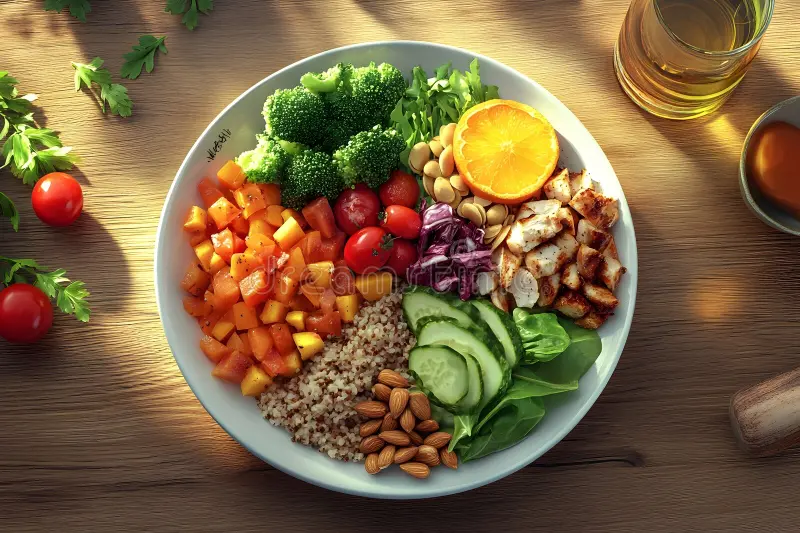
Visual guides help you estimate serving sizes using household objects—a cup, a palm, a thumb—rather than calorie obsession. Materials explain why proportions may shift on active days or quiet evenings.
We discuss spacing that fits typical work and rest routines. Suggestions remain flexible; they are not prescriptive schedules linked to physical outcomes.
Water, herbal infusions, and broths appear alongside food lessons so hydration is part of the same conversation—not treated as an isolated shortcut.
Social meals, travel, and busy seasons receive dedicated worksheets. The aim is preparedness, not guilt when routines shift.
6
Core lessons in the balance unit
3
Practice journals included
2wk
Suggested pacing per lesson
0
Medical claims in materials
Plate diagrams, grocery list prompts, reflection questions, and facilitator notes for optional calls.
Supplement protocols, diagnostic language, body-composition targets, or statements about managing illness through diet alone.
Professional advice when you manage allergies, pregnancy, chronic conditions, or medication interactions.
The workbook uses neutral language and invites observation: What do you reach for mid-afternoon? Which meals fit your routine? Answers stay private unless you choose to share them during consulting.
Printed and digital formats share the same structure. Pages include space for weekly notes and seasonal adjustments relevant to Australian produce availability.
Baseline mapping without judgement terms.
Introduce proportion tools and shopping cadence.
Review patterns and plan sustainable defaults.
Facilitators help interpret workbook entries and clarify terminology. Sessions remain educational; they do not replace regulated health services.
Our default materials emphasize variety. Any elimination related to health should come from your care provider, not from our general guides.
We teach visual estimation and context cues. Calorie tables appear only as optional reference, not mandates.
The meals section shows how balance ideas appear on actual plates throughout the week.
Continue to Meals